

High Blood Pressure: What It Is and How to Manage it
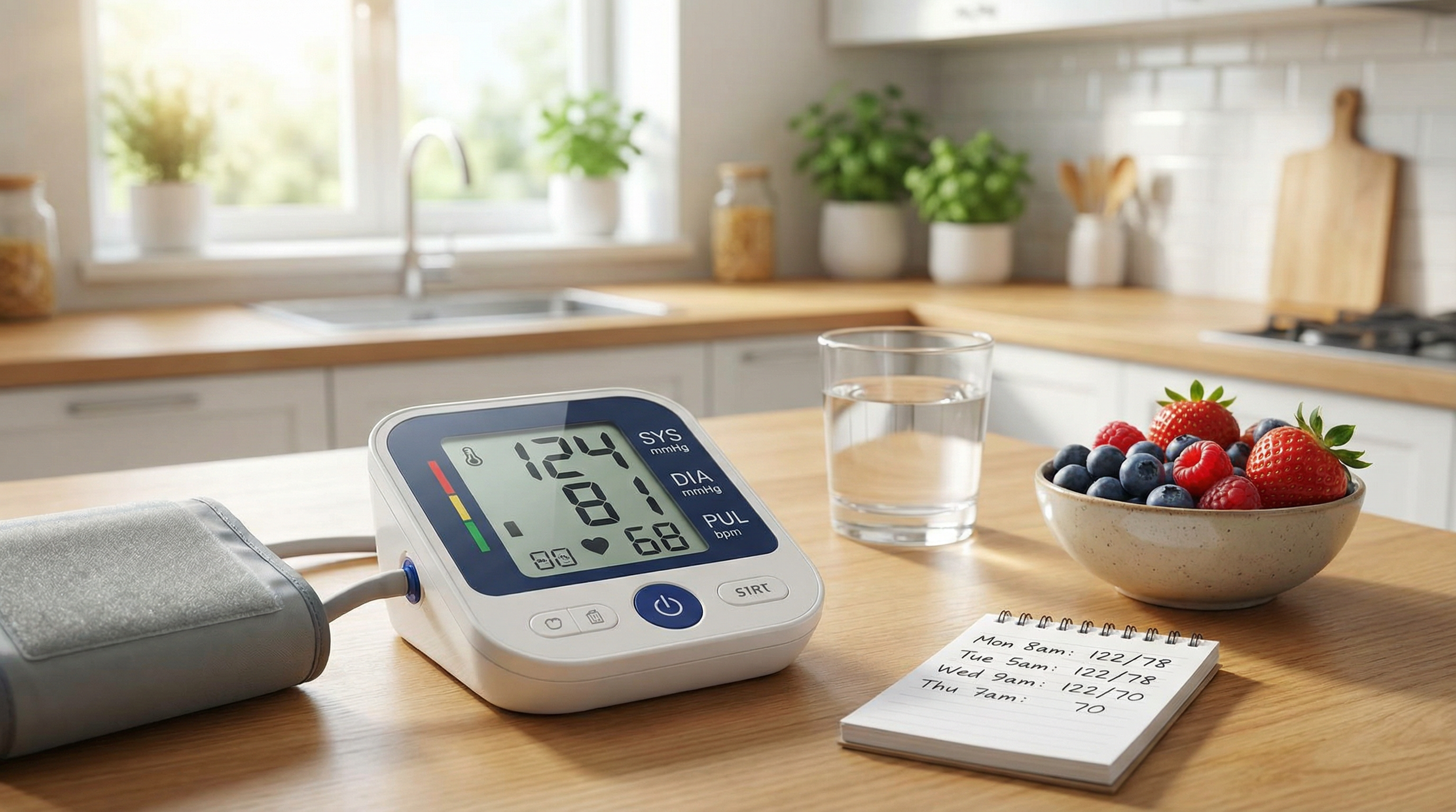
High blood pressure, medically known as hypertension, is often called the "silent killer" because it typically develops without any noticeable symptoms. Yet uncontrolled hypertension is one of the leading causes of heart attack, stroke, heart failure, kidney disease, and even dementia. In the Rio Grande Valley and across Texas, hypertension affects a significant portion of the population, making it one of the most important health conditions to address proactively.
If you have been diagnosed with high blood pressure, or if you are at risk, working with a qualified hypertension specialist in McAllen, TX, is one of the most important steps you can take to protect your long-term health. With proper treatment and lifestyle modifications, high blood pressure is highly manageable, and the serious complications it causes are largely preventable.
In this comprehensive guide, we will explore everything you need to know about hypertension: from understanding your blood pressure numbers and the latest 2025 guidelines to implementing the DASH diet, understanding medications, and developing a personalized management plan.
The Hypertension Epidemic: Understanding the Numbers
High blood pressure is extraordinarily common, and its prevalence increases with age. Understanding the scope of this condition helps illustrate why taking it seriously is so important.
National and Texas Statistics
According to the most recent data from the CDC (January 2025):
| Population | Hypertension Prevalence |
|---|---|
| All U.S. Adults (2021-2023) | 47.7% |
| Men | 50.8% |
| Women | 44.6% |
| Adults age 18-39 | 23.4% |
| Adults age 40-59 | 52.5% |
| Adults age 60+ | 71.6% |
| Hispanic Adults | 39% |
| Texas Adults | 32% (self-reported; likely underestimated) |
Among the approximately 77 million U.S. adults with hypertension, only 48.6% have their blood pressure controlled to target levels. For Hispanic Americans, the blood pressure control rate is even lower at 40.0%, compared to 49.0% for White adults. This disparity in blood pressure control, despite similar prevalence, highlights the need for improved access to care and culturally competent treatment in communities like the Rio Grande Valley.
Why Is Hypertension Dangerous?
High blood pressure damages your blood vessels over time, leading to:
- Heart Disease: Hypertension forces your heart to work harder, leading to thickened heart muscle, enlarged heart chambers, and eventually heart failure
- Stroke: High blood pressure is the leading modifiable risk factor for stroke, causing both ischemic strokes (blood clots) and hemorrhagic strokes (bleeding)
- Kidney Disease: The kidneys filter blood through tiny vessels that are damaged by sustained high pressure
- Vision Loss: Hypertension can damage the delicate blood vessels in the retina
- Cognitive Decline: Research links poorly controlled hypertension to increased risk of dementia and cognitive impairment
- Peripheral Artery Disease: High blood pressure contributes to narrowing of arteries in the legs and other areas
- Sexual Dysfunction: Hypertension can cause erectile dysfunction in men and reduced arousal in women
The insidious nature of hypertension is that all of this damage can occur silently, without any symptoms, for years or even decades before a catastrophic event like a heart attack or stroke.
Understanding Your Blood Pressure Numbers
Blood pressure is measured in millimeters of mercury (mmHg) and expressed as two numbers:
- Systolic Pressure (top number): The pressure in your arteries when your heart beats and pumps blood
- Diastolic Pressure (bottom number): The pressure in your arteries between heartbeats, when your heart is resting
Blood Pressure Categories (2025 AHA/ACC Guidelines)
The 2025 American Heart Association/American College of Cardiology Guidelines for High Blood Pressure in Adults, the first major update since 2017, organize blood pressure into four categories:
| Blood Pressure Category | Systolic (Top) | Diastolic (Bottom) | What It Means |
|---|---|---|---|
| Normal | Less than 120 | Less than 80 | Healthy range; maintain with lifestyle |
| Elevated | 120-129 | Less than 80 | Increased risk; lifestyle changes recommended |
| Stage 1 Hypertension | 130-139 | OR 80-89 | High blood pressure; may need medication based on risk |
| Stage 2 Hypertension | 140 or higher | OR 90 or higher | High blood pressure; medication typically recommended |
| Hypertensive Crisis | Higher than 180 | AND/OR Higher than 120 | Medical emergency; seek immediate care |
Important: If your systolic and diastolic pressures fall into different categories, you are classified by the higher category. For example, a reading of 145/78 would be Stage 2 Hypertension.
The 2025 Treatment Target
The updated 2025 AHA/ACC Guidelines set a clear treatment goal: keep blood pressure below 130/80 mmHg for all adults. This target applies to most people with hypertension, regardless of age, and represents a more aggressive approach to cardiovascular protection based on extensive research showing the benefits of tighter blood pressure control.
What Causes High Blood Pressure?
Hypertension can be divided into two main types based on its underlying cause:
Primary (Essential) Hypertension
This is the most common type, accounting for about 90-95% of cases. Primary hypertension develops gradually over many years and has no single identifiable cause. Instead, it results from a combination of factors:
- Genetics: Having a family history of hypertension significantly increases your risk
- Age: Blood pressure tends to increase with age as arteries become stiffer
- Race/Ethnicity: Black Americans have the highest rates; Hispanic Americans have comparable rates to White Americans but lower control rates
- Obesity: Excess weight increases blood volume and cardiac workload
- Sedentary Lifestyle: Lack of physical activity contributes to weight gain and poor cardiovascular fitness
- High Sodium Diet: Excess salt causes the body to retain fluid, increasing blood pressure
- Low Potassium Diet: Potassium helps balance sodium; low intake can elevate blood pressure
- Alcohol Use: Drinking too much alcohol raises blood pressure
- Tobacco Use: Smoking and tobacco use damage blood vessels and temporarily spike blood pressure
- Chronic Stress: Ongoing stress contributes to sustained blood pressure elevation
Secondary Hypertension
In 5-10% of cases, hypertension is caused by an underlying medical condition. This is called secondary hypertension and tends to appear suddenly and cause higher blood pressure than primary hypertension. Causes include:
- Kidney disease: The most common cause of secondary hypertension
- Primary aldosteronism: Excess aldosterone hormone from the adrenal glands (the 2025 guidelines expand screening for this condition)
- Obstructive sleep apnea: Very common and often undiagnosed
- Thyroid disorders: Both overactive and underactive thyroid can affect blood pressure
- Certain medications: Including NSAIDs, decongestants, birth control pills, and some antidepressants
- Adrenal gland tumors: Pheochromocytoma and other adrenal conditions
- Congenital blood vessel defects: Particularly coarctation of the aorta
Identifying and treating the underlying cause of secondary hypertension can sometimes cure or dramatically improve blood pressure control.
The DASH Diet: A Proven Approach to Lowering Blood Pressure
The DASH diet (Dietary Approaches to Stop Hypertension) is one of the most well-researched dietary interventions for blood pressure management. Developed from a major NIH-funded clinical trial in the 1990s, DASH has been endorsed by the American Heart Association, American College of Cardiology, American Medical Association, and numerous other professional organizations.
How Effective Is the DASH Diet?
Research consistently demonstrates significant blood pressure reductions with the DASH diet:
| Study Finding | Blood Pressure Reduction |
|---|---|
| DASH diet vs. typical American diet | Systolic: -6.74 mmHg, Diastolic: -3.54 mmHg |
| DASH diet with low sodium (normotensive adults) | Systolic: -7.1 mmHg |
| DASH diet with low sodium (hypertensive adults) | Systolic: -11.5 mmHg |
| Meta-analysis of 30 randomized controlled trials | Systolic: -3.2 mmHg, Diastolic: -2.5 mmHg |
These reductions may seem modest, but a sustained decrease of just 5 mmHg in systolic blood pressure can reduce the risk of major cardiovascular events by approximately 10%.
What Does the DASH Diet Include?
The DASH diet emphasizes:
Foods to Eat More Of:
- Fruits: 4-5 servings daily (fresh, frozen, or canned without added sugar)
- Vegetables: 4-5 servings daily (especially leafy greens and colorful vegetables)
- Whole Grains: 6-8 servings daily (brown rice, whole wheat bread, oatmeal)
- Lean Proteins: Fish, poultry, beans, nuts (2-3 servings of lean meats; 4-5 servings of nuts/seeds/legumes per week)
- Low-Fat Dairy: 2-3 servings daily (milk, yogurt, cheese)
Foods to Limit:
- Sodium: No more than 2,300 mg daily (ideally 1,500 mg for greater effect)
- Saturated Fat: Found in fatty meats, full-fat dairy, and tropical oils
- Added Sugars: Sugary drinks, desserts, candy
- Red Meat: Limit to occasional consumption
- Alcohol: Men: no more than 2 drinks/day; Women: no more than 1 drink/day
Adapting DASH for the Rio Grande Valley
The DASH diet can be adapted to include traditional foods:
| Traditional Food | DASH-Friendly Version |
|---|---|
| Flour tortillas | Whole wheat tortillas; limit to 1-2 per meal |
| Refried beans | Whole beans without lard or with small amount of healthy oil |
| Carne asada | Trim visible fat; use lean cuts; emphasize grilled chicken or fish |
| Rice | Brown rice or cauliflower rice; control portions |
| Queso fresco | Small amounts (lower in fat than aged cheeses) |
| Aguas frescas | Make with minimal sugar; choose jamaica (hibiscus) which may have BP-lowering properties |

Lifestyle Modifications for Blood Pressure Control
The 2025 AHA/ACC Guidelines emphasize that lifestyle modification is the foundation of hypertension treatment, it should be recommended for all patients with elevated blood pressure or hypertension, regardless of whether medication is also needed.
Exercise Recommendations
Regular physical activity can lower systolic blood pressure by approximately 5-8 mmHg in adults with hypertension. The recommended approach includes:
- Aerobic Exercise: At least 150 minutes per week of moderate-intensity activity (brisk walking, swimming, cycling) or 75 minutes of vigorous activity
- Resistance Training: 2-3 days per week of muscle-strengthening activities
- Flexibility and Balance: Especially important for older adults to prevent falls
Start Where You Are: If you are currently sedentary, begin with short walks (even 10 minutes) and gradually increase duration and intensity. Consistency matters more than perfection.
Weight Management
For individuals who are overweight, losing even 5-10% of body weight can produce meaningful blood pressure reductions. Weight loss of approximately 1 kg (2.2 lbs) is associated with a reduction of about 1 mmHg in blood pressure.
Sodium Reduction
Most Americans consume far more sodium than recommended, averaging 3,400 mg daily when the target is 2,300 mg or less (1,500 mg for greater blood pressure benefit). Tips for reducing sodium:
- Read nutrition labels and choose lower-sodium options
- Cook at home more often
- Use herbs, spices, citrus, and vinegar instead of salt for flavor
- Limit processed foods, which contain the majority of dietary sodium
- Be cautious with restaurant meals and fast food
Alcohol Moderation
Limiting alcohol to no more than 2 drinks per day for men and 1 drink per day for women can lower blood pressure. Heavy drinking raises blood pressure and can reduce the effectiveness of blood pressure medications.
Smoking Cessation
While smoking causes immediate temporary spikes in blood pressure, quitting smoking improves overall cardiovascular health and helps blood pressure medications work more effectively. Smoking cessation is one of the most important things you can do for your heart health.
Stress Management
Chronic stress contributes to sustained blood pressure elevation. Effective stress management techniques include:
- Deep breathing exercises
- Meditation or mindfulness practices
- Regular physical activity
- Adequate sleep (7-9 hours for adults)
- Social support and connection
- Professional counseling if needed
Blood Pressure Medications: Understanding Your Options
When lifestyle modifications alone are insufficient to reach blood pressure goals, or when cardiovascular risk is elevated, medication becomes an important part of treatment. There are several classes of blood pressure medications, each working through different mechanisms.
Common Blood Pressure Medication Classes
| Medication Class | How It Works | Common Examples | Key Notes |
|---|---|---|---|
| ACE Inhibitors | Block enzyme that narrows blood vessels | Lisinopril, Enalapril, Ramipril | Protect kidneys in diabetes; may cause dry cough |
| ARBs | Block hormone that narrows blood vessels | Losartan, Valsartan, Olmesartan | Similar benefits to ACE inhibitors; less cough |
| Calcium Channel Blockers | Relax blood vessel walls | Amlodipine, Diltiazem, Nifedipine | Effective in older adults and African Americans |
| Thiazide Diuretics | Help kidneys remove excess sodium and water | Hydrochlorothiazide, Chlorthalidone | Often used as first-line therapy |
| Beta Blockers | Slow heart rate and reduce force of contractions | Metoprolol, Atenolol, Carvedilol | Useful when heart conditions coexist |
| Potassium-Sparing Diuretics | Remove fluid while preserving potassium | Spironolactone | Particularly useful for resistant hypertension |
The 2025 Guidelines on Medication
Key recommendations from the updated guidelines include:
- Treatment Target: Below 130/80 mmHg for all adults
- When to Start Medication:
- Immediately for Stage 2 hypertension (140/90 or above)
- For Stage 1 hypertension with diabetes, chronic kidney disease, or elevated cardiovascular risk (7.5% or above 10-year risk)
- After 3-6 months of lifestyle changes fail for Stage 1 hypertension with lower cardiovascular risk
- Combination Therapy: For Stage 2 hypertension, starting with two medications (preferably in a single pill) is recommended to improve blood pressure control and medication adherence
- GLP-1 Agonists: The addition of GLP-1 receptor agonists may benefit patients with hypertension who also have overweight or obesity
Working with Your Doctor
Finding the right medication regimen often requires some adjustment. Your doctor will consider:
- Your blood pressure level and cardiovascular risk
- Other health conditions (diabetes, kidney disease, heart disease)
- Potential side effects and your tolerance
- Interactions with other medications you take
- Cost and insurance coverage
Do not stop or change your blood pressure medication without talking to your doctor, even if you feel fine or think your blood pressure is controlled.
Home Blood Pressure Monitoring
The 2025 AHA/ACC Guidelines place increased emphasis on home blood pressure monitoring. Measuring your blood pressure at home provides valuable information about your true blood pressure levels and how well your treatment is working.
Why Home Monitoring Matters
- White Coat Hypertension: Some people have elevated blood pressure in the doctor's office but normal readings at home, home monitoring identifies this pattern
- Masked Hypertension: The opposite, normal office readings but elevated home readings, can also occur and requires detection
- Treatment Response: Home readings show how your blood pressure responds to medications and lifestyle changes
- Better Control: Studies show that patients who monitor at home tend to achieve better blood pressure control
How to Measure Blood Pressure at Home
- Use a validated monitor: Choose an automatic, cuff-style monitor that wraps around the upper arm. Wrist and finger monitors are less accurate.
- Use the right cuff size: A cuff that is too small will give falsely high readings.
- Sit correctly: Sit in a chair with your back supported, feet flat on the floor, legs uncrossed, and arm supported at heart level.
- Rest first: Sit quietly for 5 minutes before measuring.
- Avoid caffeine, exercise, and smoking for at least 30 minutes before measuring.
- Take multiple readings: Measure 2-3 times in the morning before medications and 2-3 times in the evening.
- Record your readings: Keep a log to share with your doctor.
Step-by-Step Guide: Taking Control of Your Blood Pressure
If You Have Never Had Your Blood Pressure Checked
- Schedule an appointment with a primary care doctor
- Have your blood pressure measured properly in the office
- Discuss your family history and other cardiovascular risk factors
- Follow up as recommended based on your reading
If You Have Elevated Blood Pressure (120-129/below 80)
- Begin lifestyle modifications immediately (DASH diet, exercise, sodium reduction)
- Schedule follow-up blood pressure checks every 3-6 months
- Consider purchasing a home blood pressure monitor
- Address other cardiovascular risk factors (smoking, obesity, high cholesterol)
If You Have Stage 1 Hypertension (130-139/80-89)
- Work with your doctor to assess your 10-year cardiovascular risk
- Implement lifestyle modifications aggressively
- If at higher risk, start medication as recommended
- If at lower risk, give lifestyle changes 3-6 months, then reassess
- Monitor blood pressure at home and follow up regularly
If You Have Stage 2 Hypertension (140/90 or above)
- Begin medication promptly, often two medications together
- Implement lifestyle modifications concurrently
- Monitor blood pressure at home
- Follow up within 1 month to assess response
- Adjust medications as needed to reach goal of below 130/80
Frequently Asked Questions About High Blood Pressure
1. Can high blood pressure be cured?
For most people with primary hypertension, the condition cannot be "cured" but can be effectively controlled with lifestyle changes and, when needed, medication. Some cases of secondary hypertension can be cured by treating the underlying cause.
2. If I feel fine, why do I need to treat my blood pressure?
That is precisely why hypertension is called the "silent killer." The damage to your blood vessels, heart, kidneys, and brain occurs silently over years. By the time symptoms appear, significant damage may have already occurred.
3. Will I need to take blood pressure medication for life?
Many people do require lifelong medication. However, significant lifestyle changes can sometimes allow medication doses to be reduced. Never stop your medication without discussing it with your doctor.
4. What is "white coat hypertension"?
White coat hypertension occurs when blood pressure is elevated in the doctor's office but normal at other times. Home blood pressure monitoring helps identify this pattern. While less dangerous than sustained hypertension, white coat hypertension may still indicate increased cardiovascular risk.
5. How quickly can lifestyle changes lower my blood pressure?
Improvements can occur within weeks. Blood pressure may drop within days of starting the DASH diet or beginning regular exercise. However, full benefits typically develop over 2-3 months of consistent effort.
6. Is it safe to exercise if I have high blood pressure?
Yes! Regular exercise is one of the most effective ways to lower blood pressure. However, if your blood pressure is very high or uncontrolled, talk to your doctor before starting a new exercise program.
7. What should I do if I get a very high reading at home?
If your reading is above 180/120, rest for 5 minutes and measure again. If it remains that high and you have symptoms (chest pain, shortness of breath, severe headache, vision changes), seek emergency care. If no symptoms, contact your doctor promptly.
8. Does stress cause high blood pressure?
Acute stress temporarily raises blood pressure. The link between chronic stress and sustained hypertension is complex, but chronic stress may contribute to behaviors (poor diet, lack of exercise, alcohol use) that raise blood pressure. Managing stress is an important part of comprehensive blood pressure care.
9. Can I drink coffee if I have high blood pressure?
Moderate coffee consumption (3-4 cups daily) does not appear to significantly worsen hypertension in most people. Caffeine causes a temporary spike, but regular coffee drinkers develop tolerance. If you are concerned, monitor your blood pressure response to coffee.
10. How often should I see my doctor for high blood pressure?
If your blood pressure is controlled and stable, every 3-6 months may be sufficient. If you are newly diagnosed, adjusting medications, or not at goal, more frequent visits are needed. Your doctor will recommend an appropriate schedule.
Why Choose Giraldo Internal Medicine as Your Hypertension Specialist in McAllen?
At Giraldo Internal Medicine, we understand that managing high blood pressure is a lifelong commitment, and we are here to partner with you every step of the way. Our comprehensive approach to hypertension care includes:
- Thorough cardiovascular risk assessment using the latest guidelines
- Personalized treatment plans combining lifestyle modification and appropriate medication
- Patient education about the DASH diet, exercise, and self-monitoring
- Regular follow-up to assess progress and adjust treatment
- Coordination with specialists when needed for complex cases
- Bilingual staff ensuring clear communication in English and Spanish
- Acceptance of Medicare, Medicaid, and most insurance plans
We believe that effective blood pressure management requires a partnership between patient and physician, built on trust, communication, and shared goals.
Take Control of Your Blood Pressure Today
High blood pressure is serious, but it is highly manageable with the right care. Do not let the "silent killer" steal your health when effective treatments are available.
If you are looking for a trusted hypertension specialist in McAllen, TX, Giraldo Internal Medicine is here to help.
Schedule your blood pressure evaluation today:
- Phone: (956) 000-0000
- Address: 1200 Savannah Ave STE 14, McAllen, TX 78503
- Website: giraldointernalmedicine.com
Your heart health is worth protecting, and we are here to help you do it.
References and Resources
- American Heart Association/American College of Cardiology: 2025 Guideline for the Prevention, Detection, Evaluation and Management of High Blood Pressure in Adults
- CDC: High Blood Pressure Facts (January 2025)
- New England Journal of Medicine: DASH-Sodium Trial
- PMC: DASH Diet and Blood Pressure Meta-Analysis
- Million Hearts (HHS): Estimated Hypertension Prevalence, Treatment, and Control
