

The Benefits of Choosing a Bilingual Medical Clinic
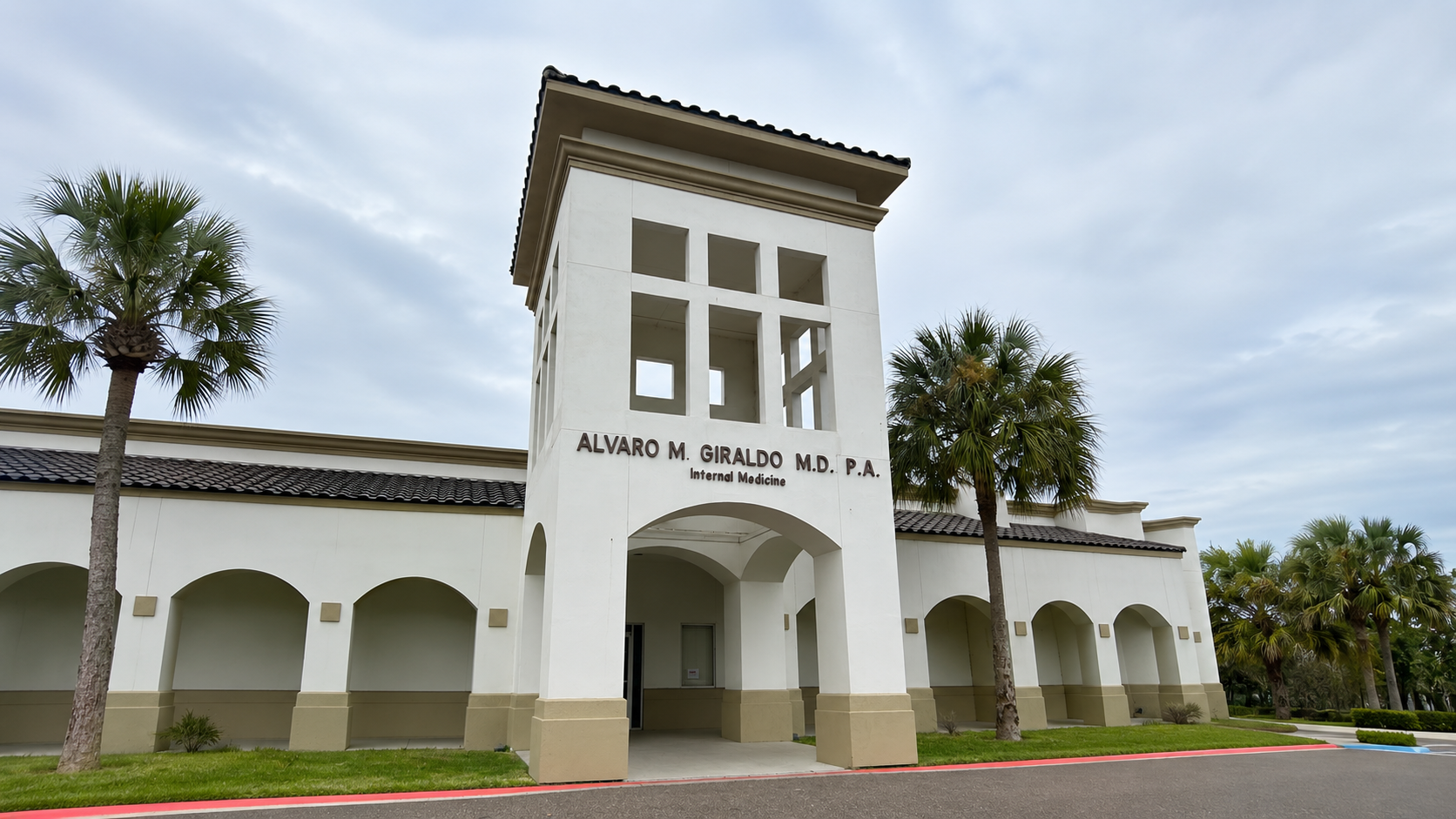
When it comes to your health, clear communication is everything. The ability to describe your symptoms accurately, understand your diagnosis, ask questions about your treatment, and follow medication instructions correctly can mean the difference between getting better and getting worse. For millions of Spanish-speaking families in the Rio Grande Valley and across Texas, finding a clinica hispana where the entire staff speaks both English and Spanish is not just a convenience, it is a healthcare necessity.
Language barriers in healthcare are not a minor inconvenience. Research shows that patients who cannot communicate effectively with their doctors experience worse health outcomes, more medical errors, longer hospital stays, and lower satisfaction with their care. A bilingual clinic removes these barriers completely, allowing you to focus on what matters most, your health and well-being.
In this comprehensive guide, we will explore the impact of language barriers on healthcare, the research on bilingual care, what to look for in a clinica hispana, and how culturally competent care can improve health outcomes for Hispanic families in the Rio Grande Valley.
Understanding Limited English Proficiency in Healthcare
In the United States, approximately 26 million people have limited English proficiency (LEP), meaning they speak English less than "very well." This represents about 8% of the population ages five and older. Among those with LEP, 62%, the overwhelming majority, speak Spanish.
Limited English Proficiency Statistics
| Statistic | Data |
|---|---|
| Americans with limited English proficiency | 26 million |
| Percentage of LEP population speaking Spanish | 62% |
| Hispanic adults with LEP | Nearly 1 in 3 (28%) |
| LEP adults uninsured | 33% (vs. 7% for English-proficient adults) |
| LEP adults without healthcare visit in past 3 years | 14% (vs. 5% for English-proficient adults) |
The Rio Grande Valley Context
The Rio Grande Valley is unique in its demographics. Hidalgo County, where McAllen is located, is over 90% Hispanic, and a significant portion of the population speaks Spanish as their primary language. Many families are multigenerational, with grandparents who may have immigrated from Mexico and prefer to communicate in Spanish, even if their children and grandchildren are fully bilingual.
For these families, finding a clinica hispana is not about preference, it is about ensuring that every family member can communicate fully with their healthcare provider.
How Language Barriers Harm Health Outcomes
The research on language barriers in healthcare is clear and concerning. When patients and providers cannot communicate effectively, every aspect of care suffers.
Research Findings on Language Barriers
| Problem Area | Research Findings |
|---|---|
| Health status | Adults with LEP are more likely to report "fair" or "poor" health (34% vs. 19% of English-proficient adults) |
| Provider communication | LEP patients less likely to report that providers explain things clearly (81% vs. 89%) |
| Time with provider | LEP patients less likely to feel providers spend enough time (68% vs. 76%) |
| Shared decision-making | LEP patients less likely to be involved in decisions about their care |
| Preventive care | Hispanic adults with limited English comfort have lower rates of preventive services, cancer screenings, and regular checkups |
| Chronic disease control | LEP associated with lower glycemic control, higher rates of uncontrolled asthma, and poorly controlled hypertension |
Specific Harms from Language Barriers
Research published in medical journals has documented numerous negative consequences when patients face language barriers:
Medication Errors:
When patients do not fully understand medication instructions, they may take the wrong dose, take medications at the wrong time, or fail to understand important warnings. This can lead to dangerous drug interactions, overdoses, or failure of treatment.
Missed Diagnoses:
When patients cannot describe their symptoms accurately, or when providers cannot fully understand what patients are telling them, important symptoms may be overlooked. Studies have found that Spanish-speaking patients are more likely to report that their medical condition was not resolved after a doctor's visit.
Longer Hospital Stays:
Research shows that LEP patients have longer hospital stays for many medical conditions, including heart problems, stroke, and diabetes. Differences ranged from approximately 0.7 to 4.3 additional days in the hospital.
Lower Satisfaction:
Patients who face language barriers report lower satisfaction with their healthcare experiences. This can lead to avoidance of care, missed appointments, and deteriorating health.
Medical Errors:
Language barriers have been linked to higher rates of medical errors across all care settings. When communication fails, mistakes happen.
The Challenge of Accessing Preventive Care
One of the most concerning findings from research is that language barriers prevent many Hispanic families from receiving the preventive care that could keep them healthy.
Preventive Care Disparities
| Service | Impact of Language Barriers |
|---|---|
| Having a usual source of care | Hispanic adults with limited English comfort fare substantially worse |
| Regular checkups | Less likely to have regular visits |
| Blood pressure screening | Lower utilization rates |
| Breast cancer screening | Lower mammogram rates |
| Cervical cancer screening | Lower Pap test rates |
| Colorectal cancer screening | Lower screening rates |
| Diabetes screening | Less likely to be screened |
These disparities in preventive care translate directly into worse health outcomes. When conditions like diabetes, high blood pressure, and cancer are not caught early, they become more difficult, and more expensive, to treat.
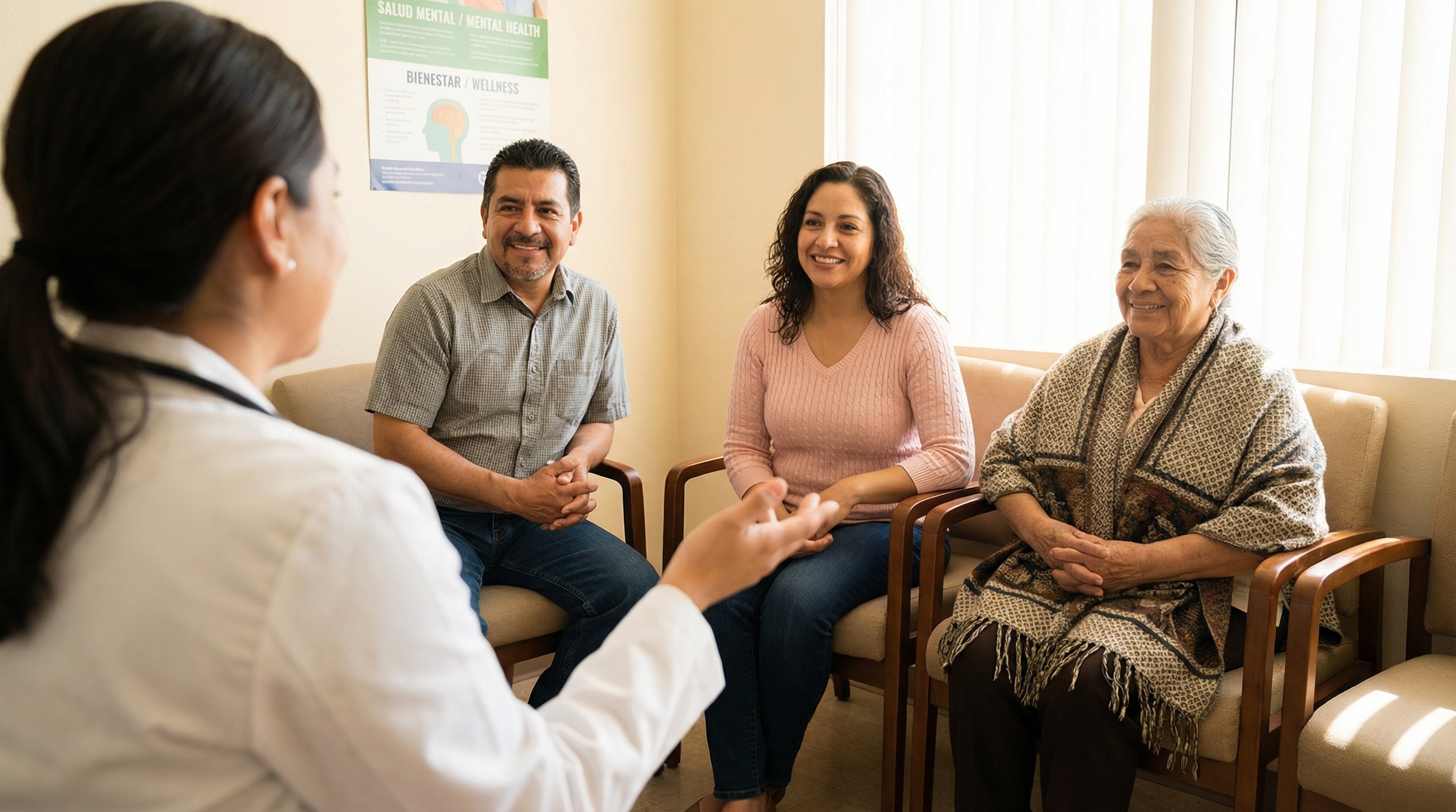
Hispanic Health Disparities in the United States
Beyond language barriers, Hispanic Americans face significant health disparities compared to non-Hispanic White Americans. Understanding these disparities helps explain why culturally competent, bilingual care is so important.
Health Insurance Coverage Disparities
| Population | Uninsured Rate |
|---|---|
| Hispanic/Latino adults | 25.3% |
| Hispanic/Latino children | 8.1% |
| Non-Hispanic White adults | ~7% |
| Foreign-born Hispanics | ~26% |
| U.S.-born Hispanics | ~8% |
Hispanic Americans are three times as likely as non-Hispanic White Americans to be uninsured. Foreign-born Hispanics have the highest uninsured rate of any group, making access to affordable care even more critical.
Chronic Disease Burden
Hispanic Americans experience disproportionate rates of certain chronic diseases:
| Condition | Disparity |
|---|---|
| Diabetes | Hispanic adults are 1.5 times more likely to have diabetes than non-Hispanic White adults |
| Obesity | Higher rates, particularly in the Rio Grande Valley |
| Chronic kidney disease | Often related to diabetes and hypertension |
| Liver disease | Higher rates of certain liver conditions |
| Infant mortality | Elevated rates compared to non-Hispanic White infants |
The "Hispanic Paradox"
Despite facing significant socioeconomic disadvantages and health disparities, Hispanic Americans as a group have surprisingly good longevity outcomes, a phenomenon researchers call the "Hispanic Paradox." This may be related to strong family networks, cultural factors, and healthy immigrant effects. However, this paradox masks significant health challenges that affect many Hispanic families, particularly those with limited access to care.
What Is Culturally Competent Care?
A truly bilingual clinic offers more than just language translation. It provides culturally competent care, healthcare that recognizes and respects the cultural backgrounds, beliefs, and values of patients.
Elements of Culturally Competent Care
| Element | What It Means |
|---|---|
| Language concordance | Providers and staff speak the patient's preferred language fluently |
| Cultural awareness | Understanding of cultural beliefs about health, illness, and treatment |
| Family involvement | Recognition that family often plays a central role in healthcare decisions |
| Dietary understanding | Knowledge of traditional diets and ability to provide relevant nutrition guidance |
| Trust building | Taking time to establish rapport and address concerns |
| Health literacy | Ensuring explanations are clear regardless of educational background |
| Respect for traditions | Acknowledging traditional remedies while providing evidence-based care |
Why Cultural Competence Matters
Cultural factors influence many aspects of healthcare:
Dietary Preferences:
A doctor who understands Mexican and Tex-Mex cuisine can provide realistic nutrition advice for managing diabetes or heart disease. Rather than prescribing a generic diet that ignores cultural foods, a culturally competent provider can help patients make healthier versions of familiar dishes.
Family Dynamics:
In many Hispanic families, health decisions are made collectively, with input from spouses, parents, and adult children. A culturally competent provider welcomes family involvement rather than viewing it as interference.
Health Beliefs:
Some patients may use traditional remedies alongside conventional medicine. A culturally competent provider asks about these practices without judgment and can advise on any potential interactions.
Trust and Relationship:
Building confianza (trust) takes time, especially for patients who may have had negative experiences with healthcare in the past. A provider who speaks Spanish and understands the culture can build this trust more effectively.
The Benefits of Choosing a Clinica Hispana
When you choose a bilingual clinic for your healthcare, you gain multiple advantages:
Communication Benefits
| Benefit | Impact |
|---|---|
| No language barrier | Describe symptoms accurately; understand diagnoses completely |
| Better medication adherence | Understand how to take medications correctly |
| Fewer errors | Reduce miscommunication that leads to mistakes |
| Ask questions freely | Feel comfortable seeking clarification |
| Bring family members | Everyone can participate in discussions |
Health Outcome Benefits
| Benefit | Impact |
|---|---|
| Earlier diagnosis | Catch problems before they become serious |
| Better chronic disease control | Understand and follow treatment plans |
| More preventive care | Stay up to date on screenings and vaccinations |
| Higher satisfaction | Feel respected and heard |
| Stronger provider relationship | Build trust that improves care over time |
Practical Benefits
| Benefit | Impact |
|---|---|
| Easier scheduling | Communicate with staff without difficulty |
| Simpler paperwork | Complete forms in your preferred language |
| Better follow-up | Understand post-visit instructions |
| Family convenience | One clinic that works for everyone |
What to Look for in a Bilingual Clinic
Not all clinics that claim to be bilingual offer the same level of service. Here is what to look for when choosing a clinica hispana:
Essential Features
1. Bilingual Providers (Not Just Staff)
The most important factor is whether the doctors and nurses themselves speak Spanish fluently. Having a bilingual front desk is helpful, but you need to be able to communicate directly with your healthcare provider.
2. Full Bilingual Capability Throughout the Visit
From check-in to checkout, you should be able to communicate in your preferred language. This includes scheduling appointments, completing paperwork, receiving test results, and understanding billing.
3. Written Materials in Spanish
The clinic should provide patient education materials, medication instructions, and consent forms in Spanish.
4. Experience with Hispanic Community
Look for a clinic that has served the Hispanic community for years and understands the health challenges common in our population.
5. Cultural Sensitivity
The clinic should demonstrate respect for cultural values and family involvement in care.
Questions to Ask
- Does the doctor speak Spanish fluently?
- Are all staff members bilingual?
- Are patient education materials available in Spanish?
- How does the clinic accommodate family members who want to participate in appointments?
- Does the clinic have experience managing conditions common in the Hispanic community (diabetes, hypertension, obesity)?
Frequently Asked Questions About Bilingual Healthcare
Q: Why is it important for my doctor, not just staff, to speak Spanish?
A: While bilingual front desk staff can help with scheduling and paperwork, the most critical communication happens between you and your doctor. Discussing symptoms, understanding a diagnosis, and following treatment instructions all require clear, direct communication. When your doctor speaks Spanish fluently, you eliminate the risk of misunderstanding that can occur with interpreters or translation.
Q: Can I request an interpreter instead of finding a bilingual clinic?
A: Federal law requires healthcare facilities that receive federal funding to provide language assistance services, including interpreters. However, using an interpreter is not the same as seeing a bilingual provider. Interpreters may not be available immediately, conversations take longer, nuances can be lost in translation, and patients often feel less comfortable discussing sensitive topics through an interpreter.
Q: Will my children need to translate for me?
A: We strongly discourage using family members, especially children, as interpreters. Children may not understand medical terminology, may be emotionally affected by difficult diagnoses, and the parent-child relationship can make honest communication difficult. At a bilingual clinic, you communicate directly with providers without putting this burden on your family.
Q: Are bilingual clinics more expensive?
A: No. Bilingual clinics accept the same insurance plans as any other medical office. At Giraldo Internal Medicine, we accept Medicare, Medicare Advantage, and most major insurance plans. The cost of your visit is the same whether you see a bilingual provider or not.
Q: My English is pretty good, do I still need a bilingual clinic?
A: Even patients who are comfortable speaking English in everyday situations may find medical conversations more challenging. Medical terminology is complex, and stress or illness can make it harder to communicate in a second language. Many patients tell us they feel relieved to discuss their health in Spanish, even if they are capable of speaking English.
Q: What if different family members prefer different languages?
A: A bilingual clinic can accommodate everyone. You may prefer Spanish while your adult children prefer English. Our bilingual team can communicate with each family member in their preferred language.
Q: How do I know if a clinic is truly bilingual?
A: Call the office and speak in Spanish. Ask directly whether the doctors speak Spanish fluently or only basic phrases. Ask about Spanish-language materials. Read reviews from other Spanish-speaking patients. A truly bilingual clinic will make you feel comfortable from the first phone call.
Q: Does bilingual care improve health outcomes?
A: Yes. Research consistently shows that language-concordant care (when patients and providers speak the same language) is associated with better communication, better chronic disease control, higher satisfaction, and better health outcomes overall.
Q: What conditions do bilingual clinics commonly treat?
A: A bilingual primary care clinic can treat all the same conditions as any other clinic, from routine wellness visits and preventive care to chronic diseases like diabetes, hypertension, heart disease, and thyroid disorders. The difference is that you can discuss these conditions in your preferred language.
Q: Can I bring family members to my appointments?
A: Absolutely. At Giraldo Internal Medicine, we welcome family involvement in healthcare. Family members can provide valuable information, help remember instructions, and support the patient's health decisions. Our bilingual staff can communicate with everyone present.
Step-by-Step Guide: Finding the Right Clinica Hispana
Step 1: Identify Your Needs
- Do you need a Spanish-speaking doctor for yourself or a family member?
- What insurance do you have?
- What health conditions need management?
- How far are you willing to travel?
Step 2: Research Options
- Ask friends, family, and coworkers for recommendations
- Search online for "clinica hispana McAllen" or "bilingual doctor near me"
- Check online reviews on Google, Healthgrades, and other platforms
- Look for clinics that specifically mention bilingual care
Step 3: Verify Bilingual Capability
- Call the office and speak in Spanish
- Ask if the doctor (not just staff) speaks Spanish fluently
- Confirm they have Spanish-language materials
Step 4: Check Insurance and Logistics
- Confirm the clinic accepts your insurance
- Check location and office hours
- Ask about wait times for appointments
Step 5: Schedule a First Visit
- Bring your medication list and medical records
- Write down your questions in advance
- Bring a family member for support if desired
Step 6: Evaluate the Experience
- Did the doctor take time to listen?
- Did you feel understood?
- Were explanations clear?
- Would you feel comfortable returning?
Why Choose Giraldo Internal Medicine as Your Clinica Hispana?
At Giraldo Internal Medicine, we are proud to serve as a trusted clinica hispana in McAllen, TX. Our entire team, from the front desk to the doctor, is fully bilingual, ensuring that every patient receives clear, compassionate care in their preferred language.
What Sets Us Apart
- Fully bilingual doctor and staff: Every member of our team speaks fluent English and Spanish
- Deep community roots: We have served the Rio Grande Valley community for years and understand local health challenges
- Comprehensive primary care: We manage all common chronic conditions including diabetes, hypertension, heart disease, and thyroid disorders
- Preventive care focus: We ensure you receive all recommended screenings and vaccinations
- Family-centered approach: We welcome family involvement and treat patients of all adult ages
- Culturally competent care: We understand and respect cultural values around health and family
- Medicare accepted: We accept Medicare, Medicare Advantage, and most major insurance plans
- Convenient McAllen location: Easy to access from throughout the Rio Grande Valley
Our Commitment to You
When you choose Giraldo Internal Medicine, you are choosing a healthcare home where you will always be understood. You will never struggle to describe your symptoms, wonder if your doctor understood your concerns, or leave confused about your treatment plan. We believe that every patient deserves care in the language they are most comfortable speaking.
Take the First Step: Schedule Your Appointment
If you have been looking for a clinica hispana in McAllen where you can receive care in Spanish from a doctor who truly understands your community, we invite you to experience the difference at Giraldo Internal Medicine.
Contact us today:
- Phone: (956) 000-0000
- Address: 1200 Savannah Ave STE 14, McAllen, TX 78503
- Website: giraldointernalmedicine.com
Llámenos hoy para programar su cita. Hablamos su idioma.
References and Resources
- Kaiser Family Foundation: Language Barriers in Health Care
- Kaiser Family Foundation: Overview of Health Coverage and Care for Individuals with Limited English Proficiency
- Journal of General Internal Medicine: Barriers in Healthcare for Latinx Patients with Limited English Proficiency
- Office of Minority Health: National Standards for Culturally and Linguistically Appropriate Services (CLAS)
- Centers for Medicare & Medicaid Services: LEP Resources
- CDC: Hispanic/Latino Health Data
